Decoding Digital Trails: How Blackjack Platforms Handle Account Verification and Fund Flows
Written by Alex Richter · Oct 4, 2026
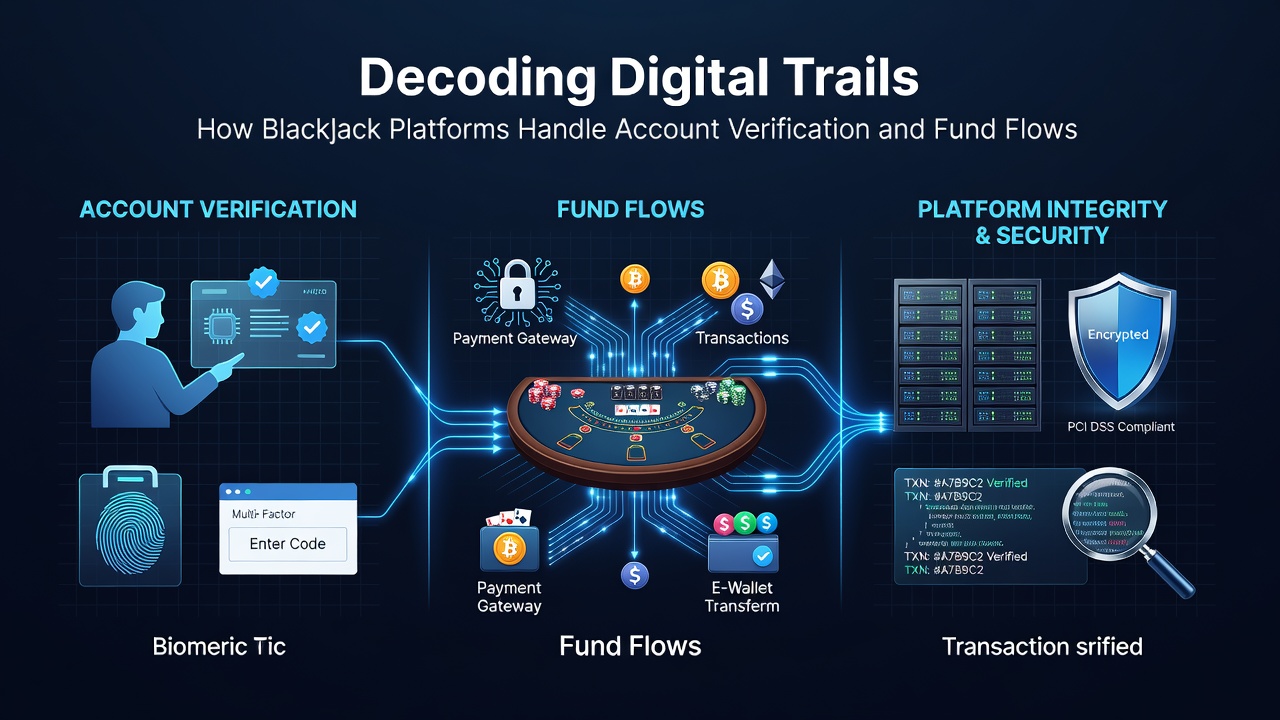
Decoding Digital Trails: How Blackjack Platforms Handle Account Verification and Fund Flows
Blackjack platforms manage account verification through structured protocols that confirm player identity while tracking fund movements from initial deposits to eventual withdrawals, and observers note these systems rely on automated checks combined with manual reviews to meet compliance standards across multiple jurisdictions.
Verification begins when users register, at which point platforms collect basic details such as name, address, date of birth, and government-issued identification, after which algorithms cross-reference this information against external databases to flag discrepancies, while human analysts step in for complex cases where automated systems detect potential mismatches or high-risk indicators.
Core Verification Mechanisms
Platforms integrate Know Your Customer procedures that require players to submit additional documents including utility bills for address confirmation and bank statements for payment method validation, and these steps often occur before large transactions can proceed because regulatory frameworks in regions like Nevada and Ontario demand clear audit trails for all financial activity.
Data from industry reports shows verification completion rates improve when platforms offer mobile-friendly upload tools that let users photograph documents directly through apps, reducing delays that once stretched into days, yet some operators still maintain tiered verification levels where basic access requires minimal checks while full functionality unlocks only after comprehensive review.
Fund Flow Tracking from Deposits Onward
Once accounts receive approval, deposit processes route funds through secure payment gateways that record every transfer with timestamps and source identifiers, allowing platforms to monitor patterns such as rapid successive deposits or unusual geographic origins that might signal irregular activity, and payment processors like those handling credit cards or e-wallets feed real-time data back to the platform's internal ledgers for immediate reconciliation.
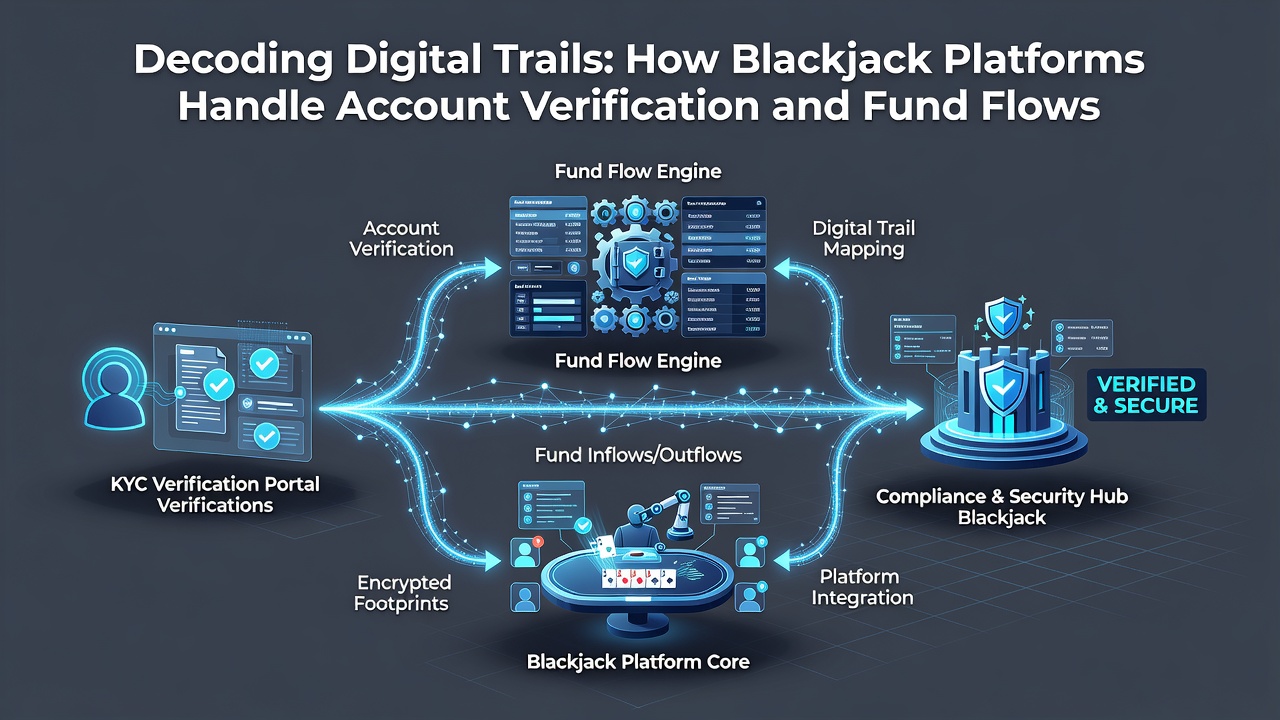
Researchers at institutions studying digital payments have documented how blockchain-based options create immutable records of each transfer, which platforms cross-check against user profiles to ensure consistency, while traditional methods such as bank transfers undergo additional scrutiny through intermediary banks that apply their own anti-money laundering filters before releasing funds into gaming accounts.
Regulatory Context and October 2026 Developments
As of October 2026, updated guidelines from the Nevada Gaming Control Board emphasize enhanced transaction monitoring for platforms serving international users, requiring operators to implement continuous screening tools that flag accounts showing sudden spikes in activity volume or shifts in payment sources, and these measures build on earlier frameworks established in other markets including those overseen by iGaming Ontario.
Industry organizations such as the European Gaming and Betting Association have published analyses indicating that platforms adopting unified verification standards across borders experience fewer interruptions in fund processing, since shared databases allow quicker confirmation of player status without redundant document requests.
Security Layers in Transaction Management
Encryption protocols protect data during transmission between user devices and platform servers, while tokenization replaces sensitive card details with unique codes that limit exposure even if systems face breaches, and multi-factor authentication adds another barrier that users encounter at login and before authorizing large fund movements.
Those who study payment security note that platforms often partner with third-party fraud detection services that analyze behavioral signals such as device fingerprints and session patterns, enabling preemptive holds on suspicious transfers until verification teams complete their assessments, and this layered approach helps maintain smooth operations for legitimate players while isolating potential issues.
Adaptations in High-Volume Environments
Blackjack platforms handling thousands of concurrent sessions adjust verification workflows during peak periods by prioritizing automated approvals for low-risk profiles that already cleared initial checks, whereas accounts flagged for manual review receive expedited attention through dedicated compliance teams, and this balancing act ensures fund flows continue without widespread bottlenecks.
Academic studies on digital gaming ecosystems reveal that integration of artificial intelligence for pattern recognition has shortened average verification times in many systems, allowing platforms to process deposits and prepare withdrawal queues more efficiently while still satisfying oversight requirements from various regulatory bodies.
Conclusion
Blackjack platforms maintain robust systems for account verification and fund flow management by combining technology-driven checks with regulatory compliance steps that create transparent records of every interaction, and these processes continue to evolve as new tools and guidelines emerge to address changing operational demands in the digital gaming sector.