Cross-Platform Account Syncing: Ensuring Blackjack Progress Stays Consistent Across All Devices
Written by Morgan Wagner · Nov 15, 2026
Cross-Platform Account Syncing: Ensuring Blackjack Progress Stays Consistent Across All Devices
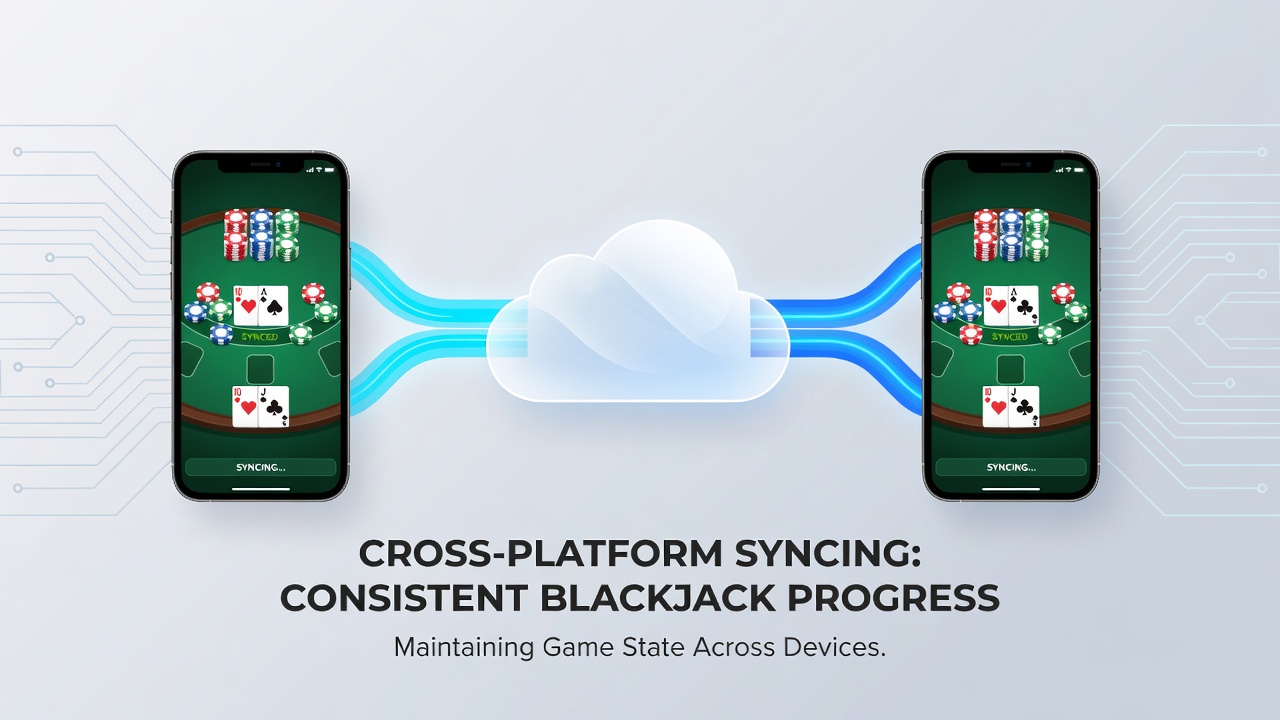
Cross-platform account syncing allows players to maintain identical blackjack sessions, bankrolls and achievement records when switching between desktop computers, tablets and smartphones, and operators achieve this through centralized cloud databases that update in real time whenever a user logs in with the same credentials. Data packets containing hand histories, wager totals and loyalty points travel via encrypted connections, so a session started on a laptop during a morning commute continues seamlessly on a phone during an evening break without any manual transfers.
Systems record every card dealt and every chip movement on secure servers rather than on individual devices, which means device loss or battery failure does not erase progress, and developers build these frameworks around standard protocols that include automatic conflict resolution when two devices attempt simultaneous logins. In November 2026 several platforms rolled out enhanced synchronization layers that reduced latency during peak hours, allowing near-instant updates across regions.
Technical Foundations Behind Seamless Transitions
Account syncing relies on a combination of token-based authentication and incremental database writes that capture state changes every few seconds, while background services on each device monitor connection quality and queue unsent data until network conditions improve. Observers note that this architecture prevents duplicate bets or lost hands because the central server always holds the authoritative record, and players receive confirmation messages only after the server acknowledges receipt of the latest action.
Developers integrate these features with existing payment gateways so deposited funds and pending withdrawals remain visible and accessible on any linked device, and the same mechanism handles bonus tracking and wagering requirements that span multiple sessions. Research from the University of Nevada Reno indicates that synchronized accounts reduce player drop-off rates by preserving session momentum, and figures reveal higher average session lengths when users can switch devices without restarting.
Security Measures That Protect Synced Data
Encryption standards such as TLS 1.3 wrap all data in transit, while servers store sensitive information in hashed formats that prevent reconstruction even if unauthorized access occurs, and two-factor authentication adds another verification step each time a new device attempts login. Regulatory bodies in multiple jurisdictions require periodic audits of these systems, and compliance reports confirm that leading operators meet or exceed those benchmarks.
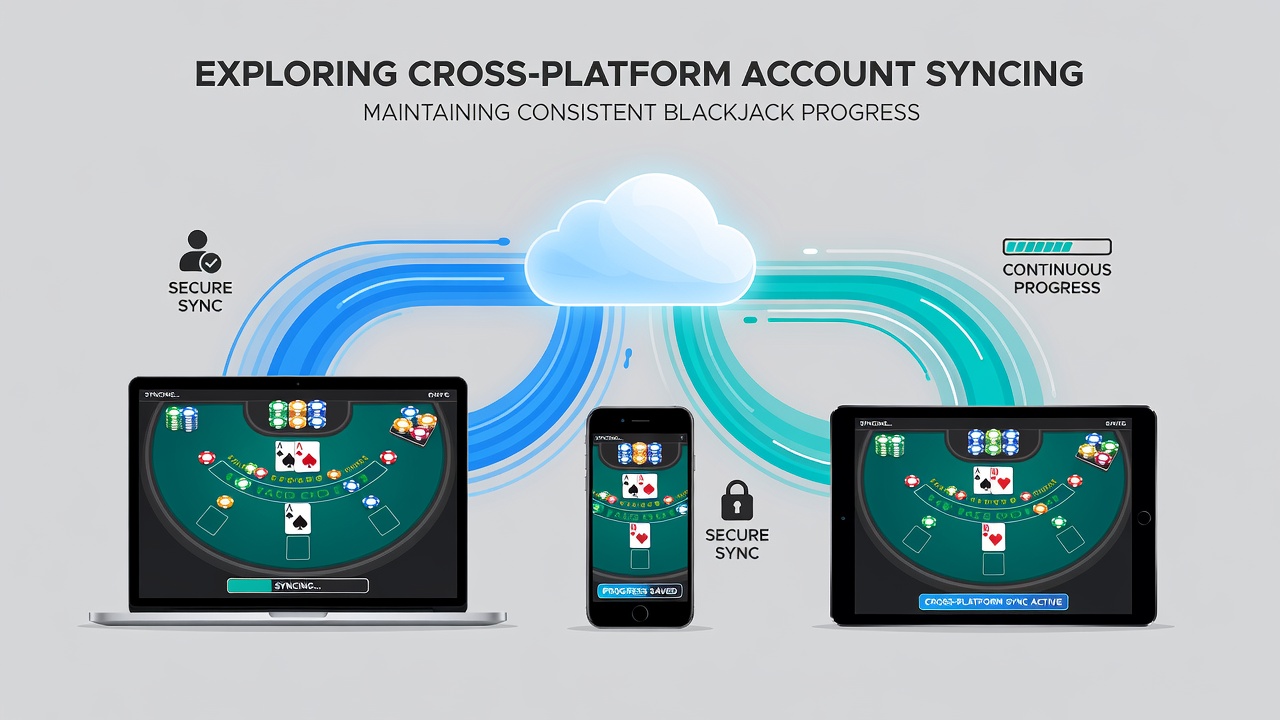
Multi-device environments introduce risks such as session hijacking, yet operators counter these threats with device fingerprinting that flags unusual login patterns and triggers additional checks before allowing access. Data from the European Gaming and Betting Association shows that platforms employing advanced sync protocols report fewer security incidents compared with older single-device models, and the same reports highlight ongoing investment in machine-learning tools that detect anomalies faster than manual review.
Player Experience and Operational Benefits
Those who switch devices frequently discover that progress indicators, including completed challenges and accumulated comp points, appear identically on every screen, which eliminates the need to remember separate passwords or track manual exports. Operators gain operational advantages too because centralized records simplify customer-support responses and reduce disputes over missing hands or balances.
Case studies from several major platforms illustrate the pattern: one operator documented a 28 percent increase in daily active users after introducing full cross-device support, while another noted reduced support tickets related to progress loss. These outcomes align with broader industry trends toward mobile-first design, where seamless syncing becomes a baseline expectation rather than an added feature.
Future Developments in Synchronization Technology
Engineers continue to refine edge-computing approaches that keep partial data copies closer to users, cutting round-trip times even further during live dealer sessions, and new standards under discussion in 2026 aim to standardize data formats across competing operators so players could eventually transfer progress between different brands under controlled conditions. Testing of these formats remains in early stages, yet preliminary results suggest reduced friction for users who maintain accounts on multiple sites.
Integration with wearable devices also appears on development roadmaps, allowing quick status checks without opening full applications, while maintaining the same encrypted channels that protect core account data. Industry reports from the International Association of Gaming Regulators emphasize that any expansion of syncing capabilities must preserve existing consumer-protection rules, including self-exclusion lists that apply uniformly across all linked devices.
Conclusion
Cross-platform account syncing has become a core component of modern blackjack platforms because it removes barriers created by device variety and preserves player progress through continuous, secure data exchange. The combination of cloud architecture, encryption protocols and regulatory oversight ensures that sessions remain consistent whether accessed from home computers or mobile devices, and ongoing technical improvements continue to raise the reliability of these connections without compromising security standards.